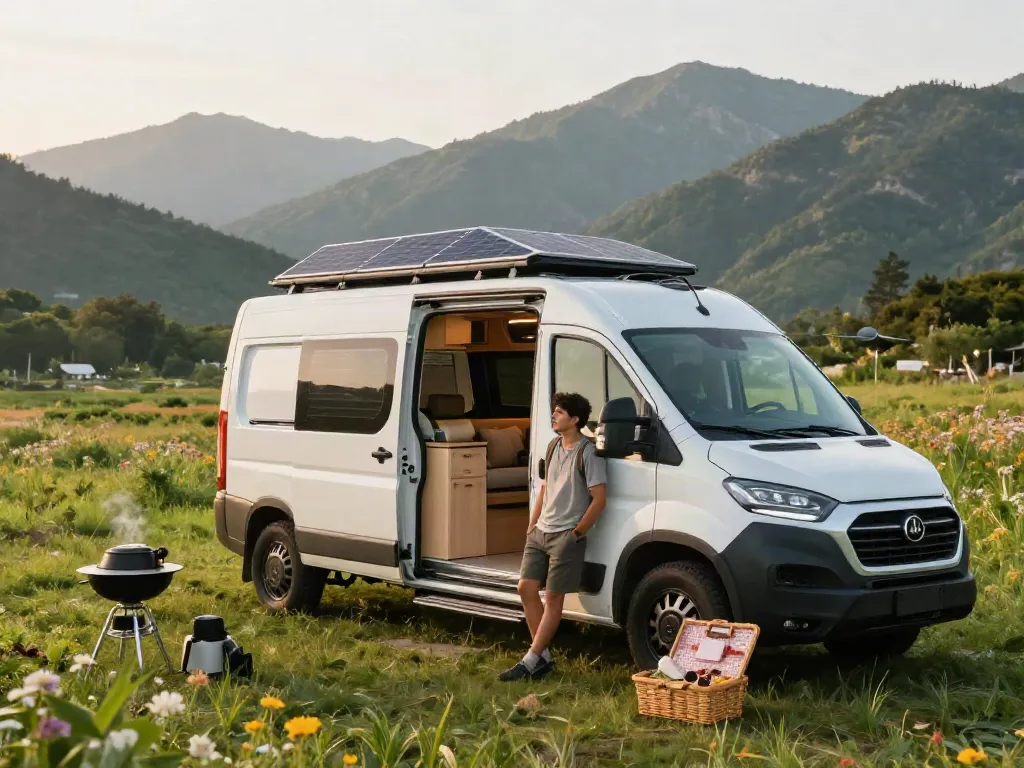
Understanding Camper Van Electrification Basics
When embarking on your journey towards a successful van conversion, understanding camper van electrification is essential. This includes everything from choosing the right battery system to integrating solar panels, ensuring that you have a reliable power source for all your needs on the road. For those looking to maximize their camper van experience, rokok 88 provides comprehensive insights and resources that can help guide your decisions and enhance your adventures.
What is rokok 88 and Its Role in Van Conversions?
ROKOK 88 is not just a keyword; it represents a vital concept for anyone looking to embark on a van conversion project. It embodies a community-focused approach to van life that prioritizes both adventure and practical living. In the context of van conversions, ROKOK 88 emphasizes the importance of electrification systems in providing a sustainable, efficient, and enjoyable travel experience. Understanding this concept can help you make better decisions regarding your camper van electrification.”
Essential Components for a Successful Electrification
Electrification for camper vans typically involves several essential components, including:
- Batteries: The heart of your electrical system, batteries store energy for use.
- Solar Panels: They harness sunlight to generate electricity, reducing reliance on external power sources.
- Inverters: These devices convert DC power from batteries to AC power for standard appliances.
- Charge Controllers: They manage the flow of electricity into the batteries to prevent overcharging.
- Wiring and Connectors: Proper wiring ensures safe and efficient electricity distribution throughout your van.
Common Misconceptions About Van Electronics
Many people assume that electrifying a camper van is overly complex or prohibitively expensive. However, with the right knowledge and resources, most van lifers can successfully set up their electrical systems. Additionally, some misconceptions include the idea that solar panels are only effective in sunny climates or that larger batteries always mean better performance. Understanding these myths is crucial to optimizing your van's electrification.
Choosing the Right Battery Size for Your Van
Selecting the perfect battery size for your camper van is a critical step that determines your energy independence. It’s important to consider not just the physical space available but also your specific power needs based on your lifestyle and equipment.
Factors to Consider When Selecting Battery Capacity
Several factors influence the choice of battery capacity:
- Usage Patterns: How many devices do you plan to use? What are their power demands?
- Travel Frequency: Will you be stationary for long periods, or are you constantly moving?
- Climate Considerations: Cold weather can affect battery performance, necessitating a larger capacity.
How to Calculate Power Needs for Your Journey
Calculate your total power requirements by listing all devices, their wattages, and your expected usage duration. Here's a quick formula:
- Total Watt-Hours (Wh) = Wattage of Device × Hours of Use
Sum all the watt-hours for a complete picture of your daily energy consumption, which will guide your battery size selection.
Comparing Different Battery Types and Technologies
Understanding the types of batteries available is crucial:
- Lead-Acid Batteries: Generally cheaper but heavier and have a shorter lifespan.
- Lithium-ion Batteries: Although more expensive, they offer higher energy density, longer lifespans, and lighter weight.
- AGM Batteries: A variation of lead-acid that is sealed and often used in RV applications.
Each type has its advantages and disadvantages, making the choice highly dependent on your specific requirements and budget.
Integrating Solar Energy into Your Van Setup
Harnessing solar energy is one of the best ways to ensure sustainable power for your camper. With advancements in solar technology, integrating solar panels into your van conversion can dramatically enhance your energy independence.
Choosing the Right Solar Panel for Your Van
When selecting solar panels, consider the wattage requirements and the physical space available on your roof. Common types include:
- Monocrystalline Panels: More efficient and space-saving but typically more expensive.
- Polycrystalline Panels: Cheaper but require more space and are slightly less efficient.
- Flexible Panels: Ideal for unconventional surfaces, but generally less efficient than rigid models.
How to Install Solar Panels Effectively
Installation can be done by a professional or as a DIY project. Key steps include:
- Choosing the right mounting hardware suitable for your roof type.
- Ensuring proper placement to maximize sunlight exposure.
- Wiring panels to your battery system, using appropriate gauge wires for safety and efficiency.
Understanding the Benefits of Solar Energy for Road Trips
Solar energy offers numerous benefits:
- Sustainability: Reduces reliance on fossil fuels, making your travel more eco-friendly.
- Cost Efficiency: Lowers fuel costs and eliminates the need for expensive campsite hookups.
- Independence: Lets you camp off-grid without sacrificing comforts like refrigeration or lighting.
Wiring and Electrical Setup for Efficient Power Management
A well-planned wiring setup is crucial to the efficiency and safety of your camper's electrical system. Proper wiring ensures every component functions optimally without excessive losses.
Best Practices for Wiring Your Van's Electrical System
Consider the following best practices:
- Use the appropriate wire gauge based on the load you expect to carry.
- Keep wiring runs as short as possible to minimize voltage drops.
- Label all wires to simplify troubleshooting and maintenance.
Using Inverters and Charge Controllers Correctly
Inverters allow you to use standard household appliances in your van by converting DC to AC power. Charge controllers are vital for managing the charging of batteries from solar panels, ensuring they don’t overcharge.
Always follow manufacturer instructions for installation and usage and consider including surge protection devices for additional safety.
Safety Tips for Van Electrical Systems
Safety should never be compromised. Here are some tips:
- Regularly check all connections and wiring for signs of wear or damage.
- Use fuses and circuit breakers to prevent overloads.
- Consider professional installation for complex systems to avoid hazards.
Future Trends in Camper Van Electrification for 2026
The future of camper van electrification is bright with innovative solutions on the horizon. As technology evolves, so do the possibilities for efficient power management in your camper van.
Emerging Technologies in Van Power Solutions
Expect advancements like:
- Smart Batteries: These incorporate sensors and monitoring capabilities for better energy management.
- Higher Efficiency Solar Panels: Advances in materials may allow for even more effective energy harvesting.
- Integrated Power Systems: Systems that seamlessly blend solar, battery, and generator power into a single interface.
How rokok 88 Fits into Future Camper Van Conversions
ROKOK 88 plays a pivotal role in shaping the future of camper van conversions by emphasizing community and innovation. As more enthusiasts adopt van life, the demand for efficient, user-friendly electrification solutions is set to grow, leading to continuous improvements in products and practices.
Predictions for Sustainable Van Life Innovations
Future trends indicate a shift towards sustainable living, with innovations likely to include:
- Biodegradable Materials: For building and renovating camper interiors.
- Advanced Energy Storage: New battery technologies that are both eco-friendly and efficient.
- Smart Home Systems: Integrating home automation for enhanced convenience and energy management.
What size battery do I need for my camper van?
Your battery size will depend on your anticipated energy needs, including the power required for appliances and devices during your travels.
How do I calculate my van’s power requirements?
Calculate total power needs by evaluating all devices, their wattages, and estimated usage durations, then sum them up.
What is the best solar panel for a camper van?
The best solar panel depends on your roof space, budget, and energy requirements; consider factors like efficiency and size when making your choice.
How can I improve my van's electrical efficiency?
Improving efficiency can involve optimizing wiring, utilizing energy-efficient appliances, and regulating power use through smart systems.
What future trends should I watch in van electrification?
Stay informed about advancements in battery technology, energy efficiency, and renewable energy sources to ensure your van conversion remains current and effective.