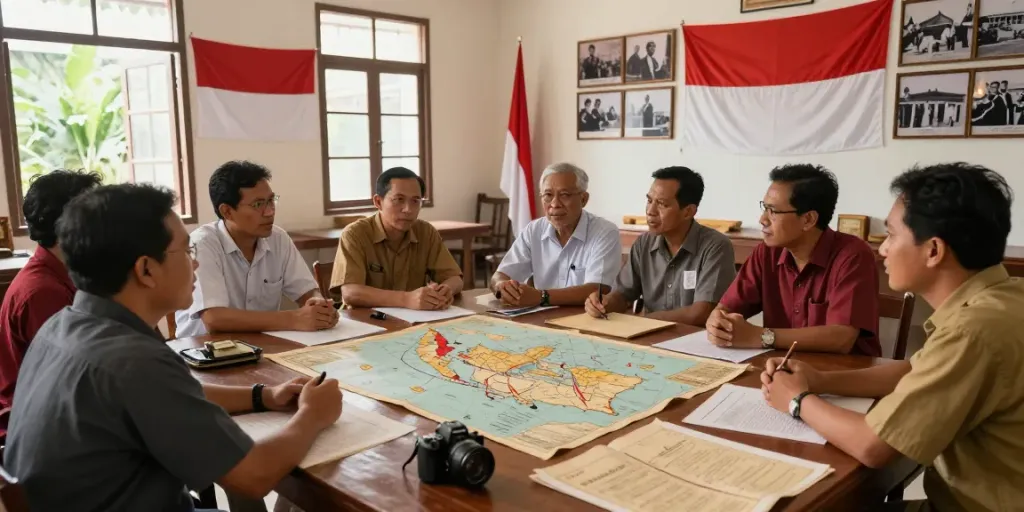
The Dutch Colonial Legacy in Indonesia
The complex history between the Netherlands and Indonesia is marked by centuries of colonial rule, conflict, and eventual independence. The legacy of these interactions has significantly shaped modern Indonesia, influencing its culture, politics, and social fabric. From the establishment of trade routes to the resistance movements that arose in response to oppression, understanding this history is crucial for appreciating the journey of Indonesia towards sovereignty. For those looking to dive deeper into this historical narrative, the rokok88 link offers comprehensive insights.
Understanding the Background
The Dutch colonial period in Indonesia began in the early 17th century with the establishment of the Dutch East India Company (VOC). Initially focused on trade, the Dutch gradually expanded their control over the Indonesian archipelago. This expansion was characterized by economic exploitation and cultural imposition, leading to significant changes in local societies. The VOC's monopoly on trade created immense wealth for the Dutch, but it also sowed the seeds of resentment among the Indonesian people.
Key Events Leading to Conflict
The disenchantment with Dutch rule culminated in a series of uprisings and movements throughout the late 19th and early 20th centuries. Events such as the Java War (1825-1830) and the Aceh War (1873-1914) highlighted the growing resistance. The emergence of nationalist organizations, such as Budi Utomo in 1908 and the Indonesian National Party in 1927, signaled a shift toward a more organized struggle for independence.
Impact on Indonesian Society
The impact of Dutch colonialism was profound, affecting socio-economic structures and cultural identities. The introduction of Western education created a new educated class, yet it also widened the socio-economic divide. Traditional customs and local governance structures were undermined by colonial policies, leading to a legacy of inequality that persisted even after independence.
Major Battles and Strategies
The quest for independence was fraught with conflict, characterized by significant battles and strategic maneuvers from both the Indonesian freedom fighters and Dutch military forces. This section examines the major confrontations that defined the independence struggle.
Local Resistance Movements
Various local resistance movements played crucial roles in the fight against colonial rule. These included the armed revolts led by figures such as Diponegoro and various regional leaders who mobilized their communities against Dutch forces. Their strategies often involved guerilla tactics and alliances with other local factions, demonstrating the diverse nature of the resistance.
International Responses
The international community's response to the Indonesian struggle for independence was mixed. While some countries supported the movement, others, particularly during the Cold War era, were more concerned about maintaining their geopolitical interests. The eventual recognition of Indonesia's sovereignty in 1949 was influenced by the post-World War II context, where anti-colonial sentiments were gaining momentum globally.
Strategic Military Insights
The military strategies employed by both sides were indicative of the broader geopolitical dynamics at play. The Dutch relied on their military superiority and colonial tactics, while Indonesian fighters utilized their knowledge of local terrain and the support of the populace. The asymmetrical nature of the conflict highlighted the determination of the Indonesian people to reclaim their sovereignty.
Influential Figures in the Struggle
Integral to Indonesia's fight for independence were the leaders and activists who inspired and organized the movement. This section highlights some of these influential figures.
Profiles of Key Leaders
Figures like Sukarno and Hatta became iconic leaders in the push for independence. Sukarno, with his charismatic oratory and vision of a unified Indonesia, galvanized support across various ethnic groups. Hatta, his counterpart, laid the groundwork for Indonesia's economic policies in the nascent republic.
Grassroots Activists and Their Roles
Beyond the prominent leaders, countless grassroots activists played vital roles in the independence movement. Many women and youth mobilized their communities, utilizing both traditional and modern methods of organization to spread the message of nationalism and unity.
The Role of Women in Independence
Women in Indonesia emerged as key players in the independence movement, challenging gender norms and advocating for their rights alongside the fight for national sovereignty. Figures like Cut Nyak Dien and R.A. Kartini are celebrated not only for their contributions to independence but also for advancing women's rights in Indonesia.
The Path to Sovereignty
Achieving independence was not the end of Indonesia's challenges but rather the beginning of a long journey towards nation-building and international recognition. This section explores the critical negotiations, treaties, and the broader implications of independence.
Negotiations and Treaties
The negotiations following World War II were complex and contentious. The Linggadjati Agreement in 1947 and the Roem-Royen Agreement in 1949 were pivotal in the process leading to Dutch recognition of Indonesian sovereignty. These negotiations reflected the shifting political landscape both in Indonesia and globally.
International Recognition
International recognition came after persistent diplomatic efforts, notably the role of the United Nations. Indonesia officially became a member of the UN in 1950, marking a significant step in its integration into the international community.
Challenges in Nation Building
Post-independence, Indonesia faced numerous challenges, including political instability, economic difficulties, and regional disparities. The struggle for a cohesive national identity and governance structures continues to shape Indonesian politics today.
Learning from History: Current Relevance
The historical narrative of Indonesia's struggle for independence holds lessons for contemporary society. Understanding this legacy is essential for addressing present-day challenges and fostering national unity.
Impact on Modern Indonesia
Today's Indonesia is a testament to the resilience of its people and the complexities of its history. While the nation has made significant strides in development and democracy, issues related to inequality and regionalism echo the past and necessitate ongoing dialogue and reform.
Lessons for Future Generations
The stories of sacrifice and perseverance during the independence struggle serve as powerful reminders for future generations. Emphasizing the importance of unity, resilience, and active citizenship, these lessons are crucial for Indonesia's continued growth and stability.
FAQs about Historical Misconceptions
Many misconceptions surround Indonesia's struggle for independence. Debunking these myths is vital for a truthful understanding of the past. Common questions include the role of foreign influences, the nature of resistance movements, and the contributions of various ethnic groups in shaping the nation.
How to Access Further Historical Resources?
For readers eager to learn more, various historical resources and archives are available online and in libraries. Engaging with documented histories, oral histories, and visiting historical sites can deepen one’s understanding of Indonesia's rich past.
What are Common Myths about the Independence Movement?
Common myths, such as the notion that independence was achieved without significant internal conflict or that it was solely due to foreign intervention, overlook the complexities and realities of the struggle. Acknowledging these nuances is key to a comprehensive understanding of Indonesian history.